NGA’s members are independent community grocers that are privately-owned by families or employees. They are vital to the communities in which they are located, and more than half of our membership is classified as “small” under the Small Business Administration’s definition. Independents differentiate in the marketplace based on the needs of the local community, while showing a strong commitment to civic life and providing their neighbors with quality goods and nourishing foods. The issues that affect their businesses are as diverse as the communities they serve.
Payments
Credit card swipe fees average about 2.25% of each transaction at the grocery store, and small businesses like grocery stores pay almost double what large businesses pay. This is the only cost to run a store structured as a percentage of sales and the only cost that is non-negotiable. Visa and Mastercard can get away with this because they control 80 percent of the credit card market. The Credit Card Competition Act forces Visa and Mastercard to compete by requiring the largest banks in the nation to issue two networks on each credit card they issue.

Swipe Fees Store Toolkit
Help build awareness and push for reform with our downloadable toolkit featuring print-ready signs and social media graphics to support the Credit Card Competition Act.
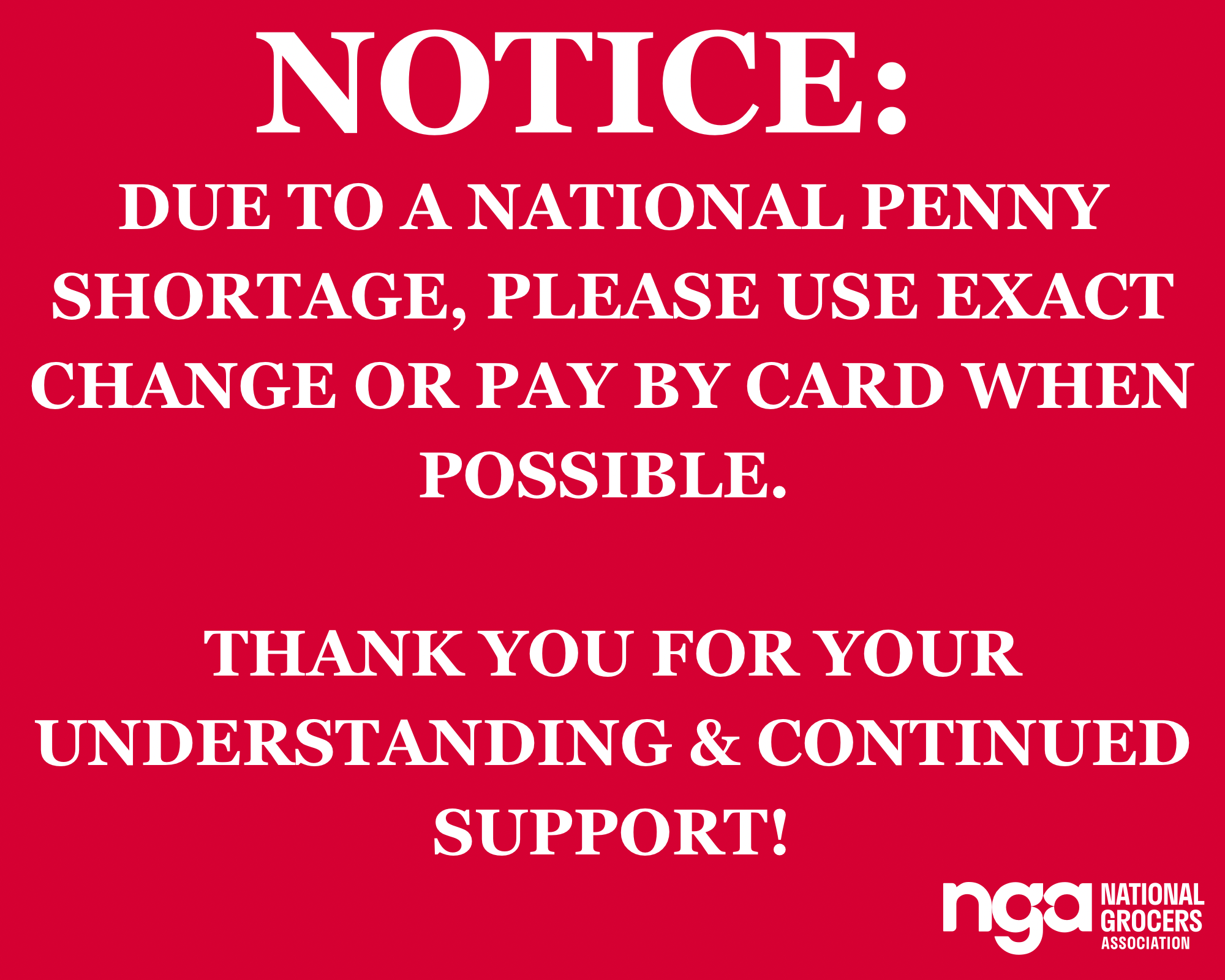
In-Store Penny Shortage Signage
Help build awareness with our downloadable print-ready signs.

Organized Retail Crime
Organized Retail Crime was again featured as a top concern among grocers in this year’s Asset Protection in Food Retail Report from FMI and is estimated to cost retailers an average of $700,000 per $1 billion in sales. While many independent grocers have programs in place to address crime in their stores, these programs depend on close coordination among states and law enforcement partners.
NGA supports the Combating Organized Retail Crime Act of 2025, a bill that will coordinate the federal response and develop new tools to tackle the emerging issue of organized retail crime.
Organized Retail Crime Issue Sheet

Dynamic Pricing & Electronic Shelf Labels
The alarmist term “surveillance pricing” is being used to misrepresent how grocers price foods. It is important to understand how grocers set prices, what tools they do use, and the truth about what they do not.

Taxes
Independent Grocers & Tax Policy Brief

Refrigeration

Privacy
Customer reward and loyalty programs are commonplace in the grocery industry. But these programs do more than just provide benefits to our customers. Consumer data allows independent grocers to better manage inventory, react to pricing changes and shopping trends, and better serve their communities.
Congress should pass federal data privacy legislation that applies nationally to all industry sectors and does not contain any loopholes that leave consumers unprotected when their personal data is handled by a business.